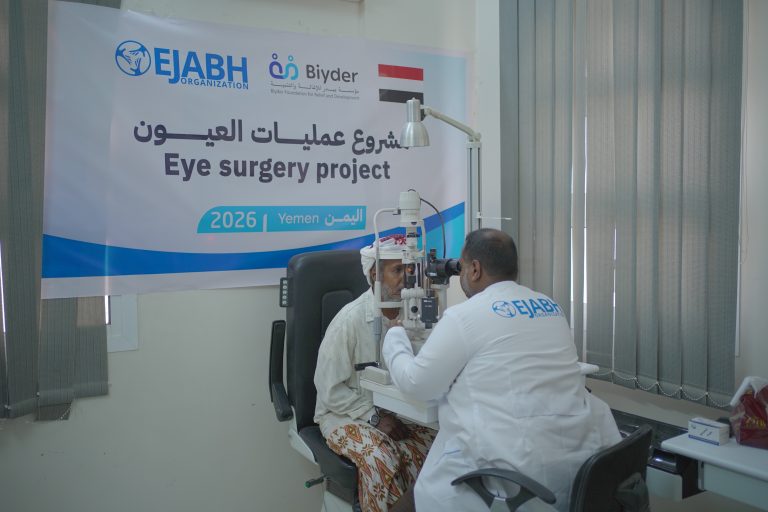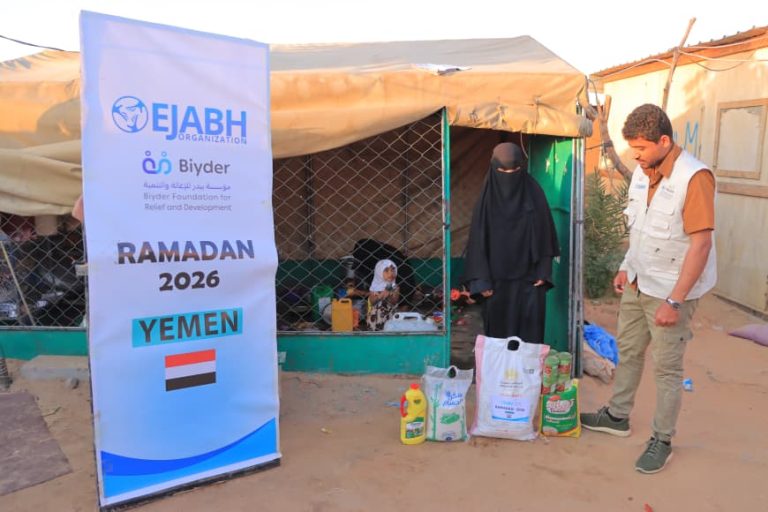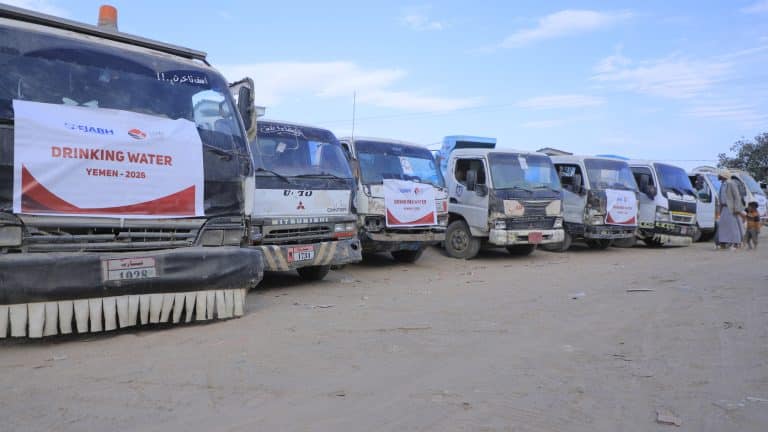
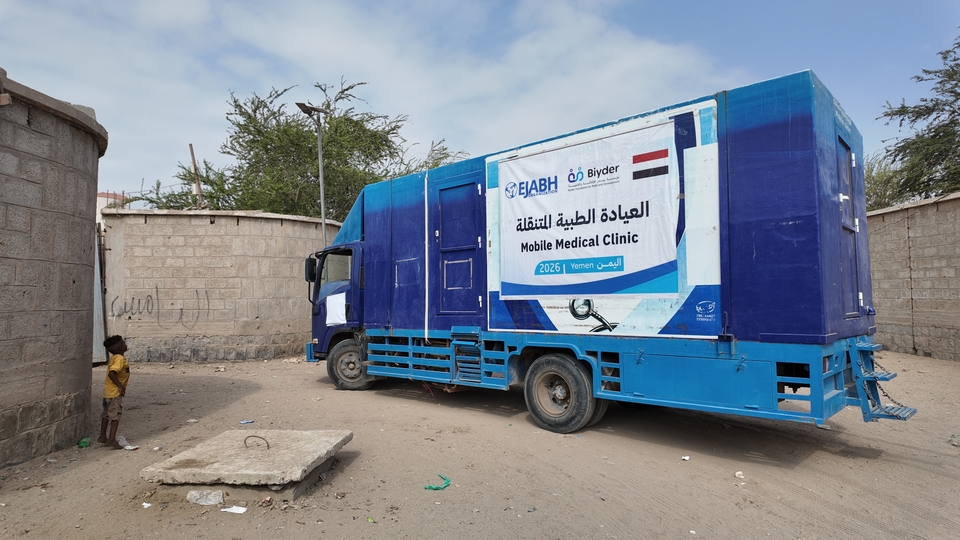
Geography imposes severe isolation on thousands of families across rural Yemen and displacement camps. Rugged terrain and exorbitant transportation costs prevent patients from reaching central hospitals. This crisis is particularly critical for children, women, and the elderly facing chronic illnesses and seasonal epidemics without basic healthcare access.
In response to this critical field gap, Ejabh Organization, in direct operational coordination with its local partner Biyder Association, launched the Mobile Medical Clinic project. This fully equipped medical unit, staffed with doctors and stocked with pharmaceuticals, travels to remote villages to deliver free medical checkups and treatments directly to vulnerable communities.
📊 Project Snapshot & Field Medical Services Breakdown
1. Reaching Remote Areas: Healthcare at the Doorstep
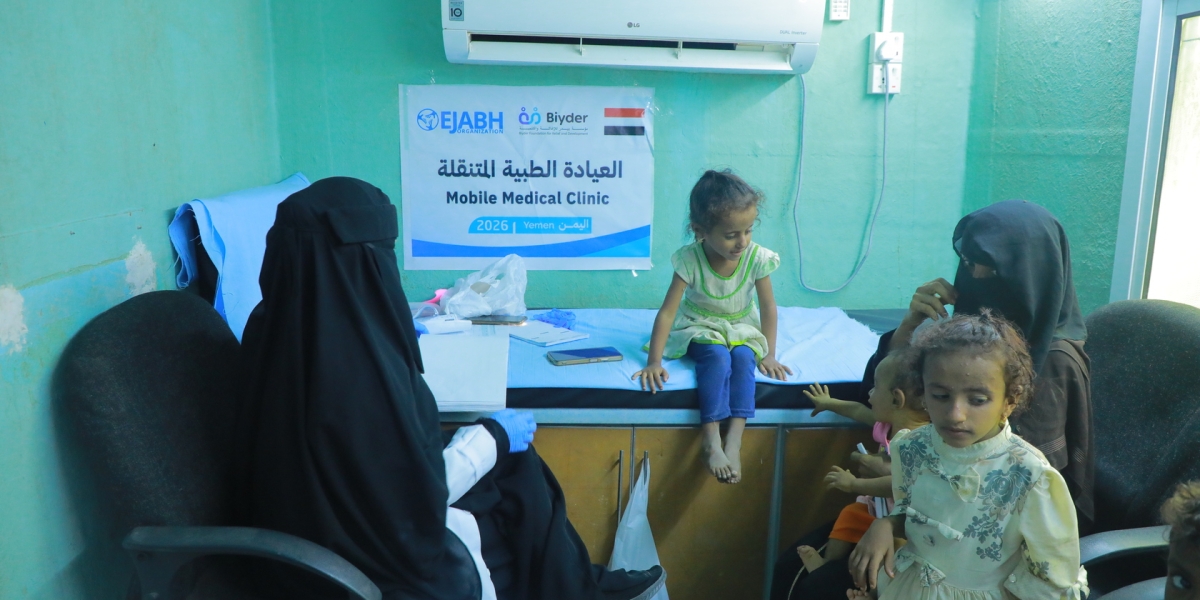
The primary impact of the mobile clinic lies in its ability to overcome geographical barriers. Medical teams from Biyder Association utilize vehicles specifically equipped for rugged terrain to reach isolated populations lacking stationary healthcare facilities.
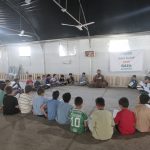
Field operations include setting up daily consultation points in village squares and displacement camps, allowing families to receive proper medical diagnoses without the hardship and cost of travelling to major cities.
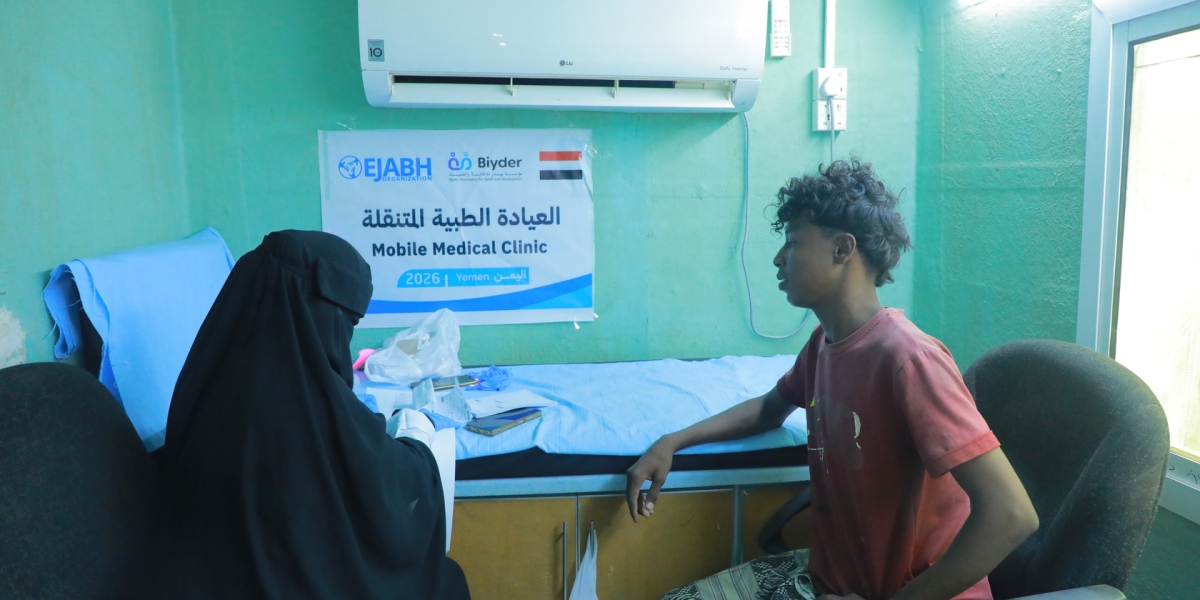
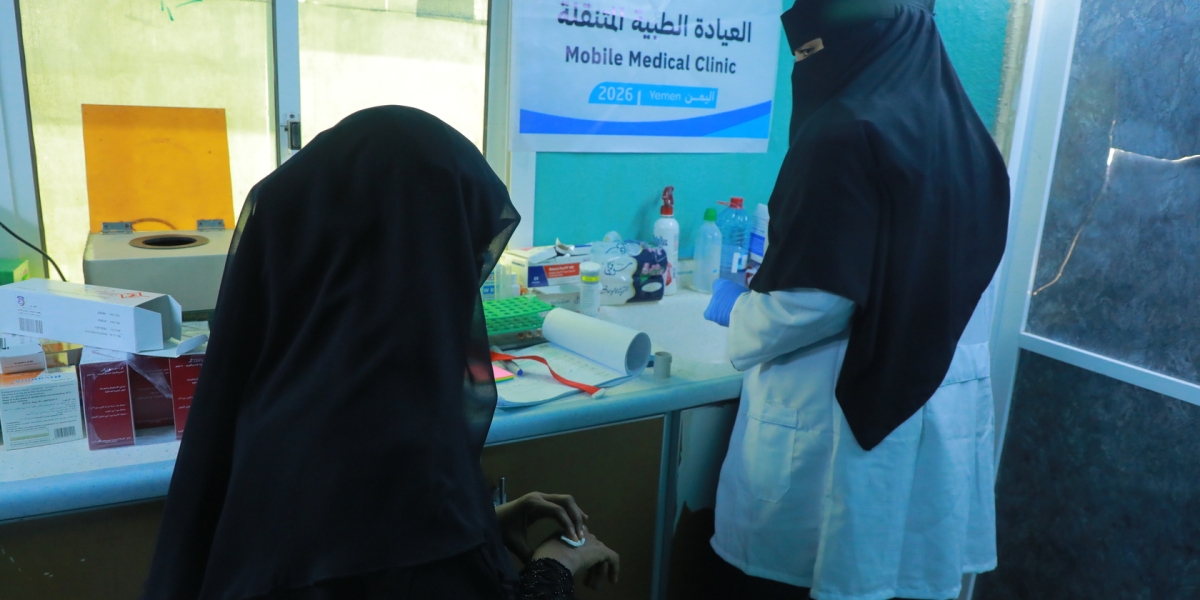
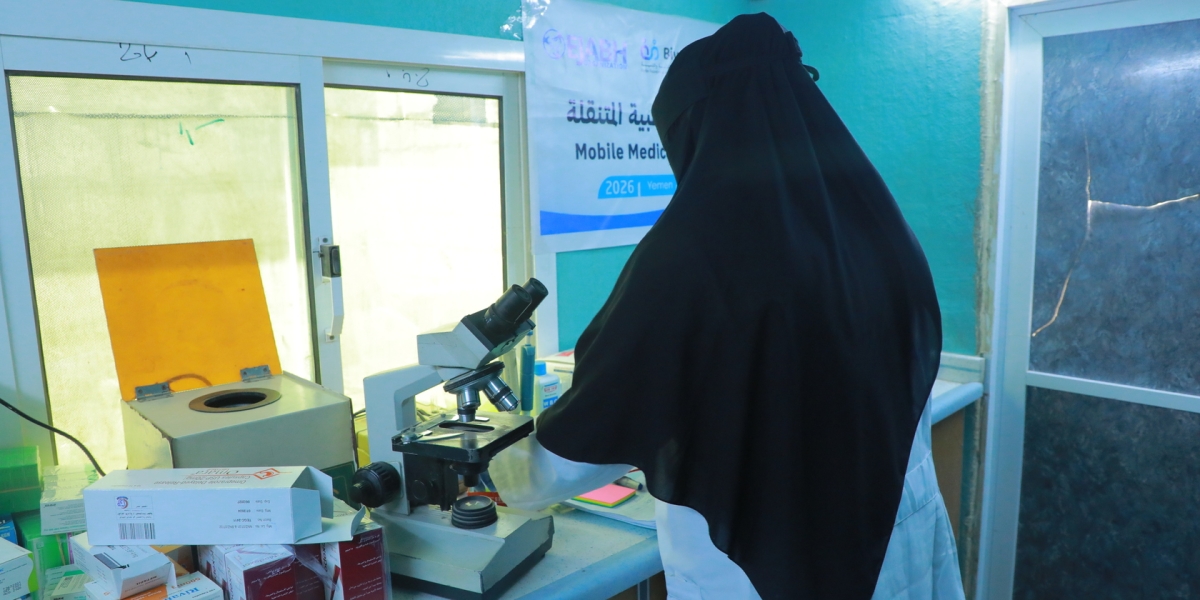
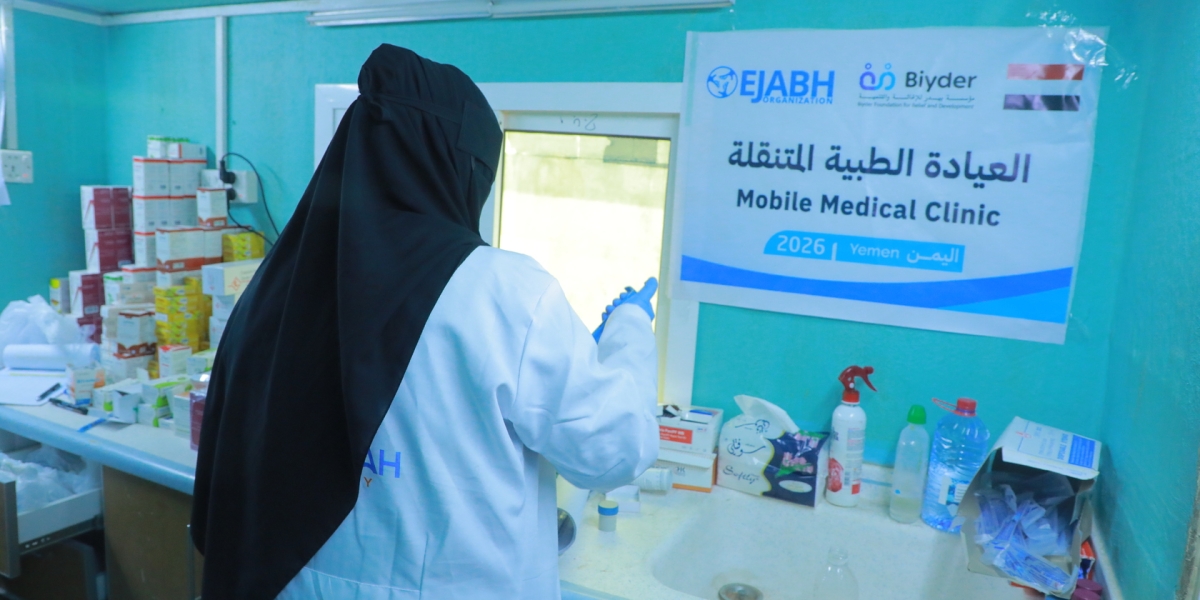
2. Medical Specialities & On-Site Clinic Services
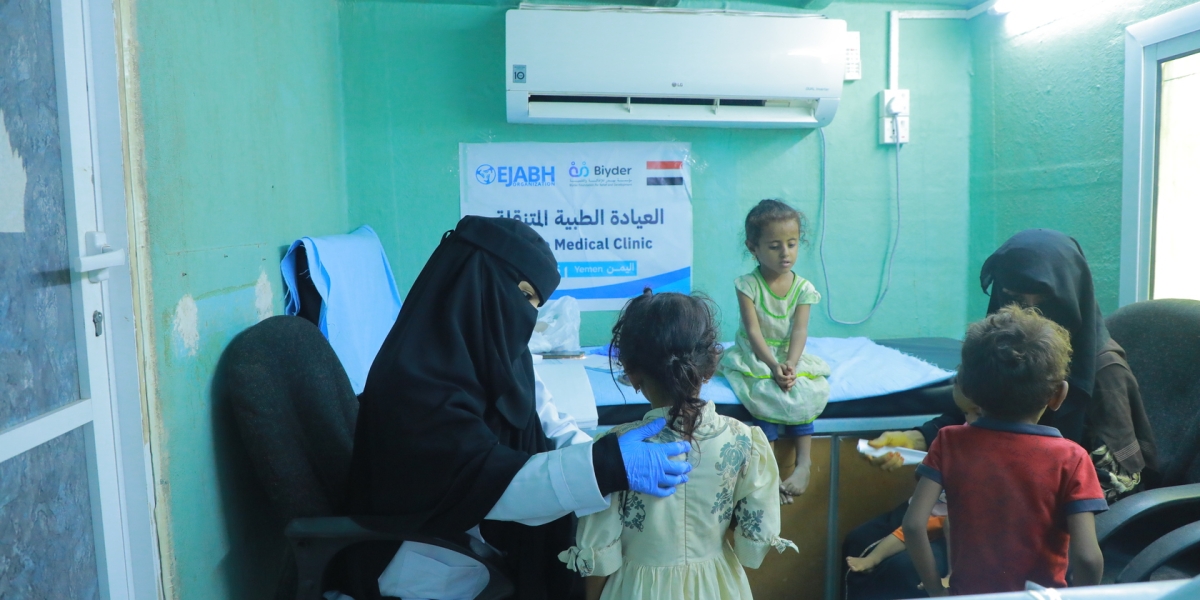
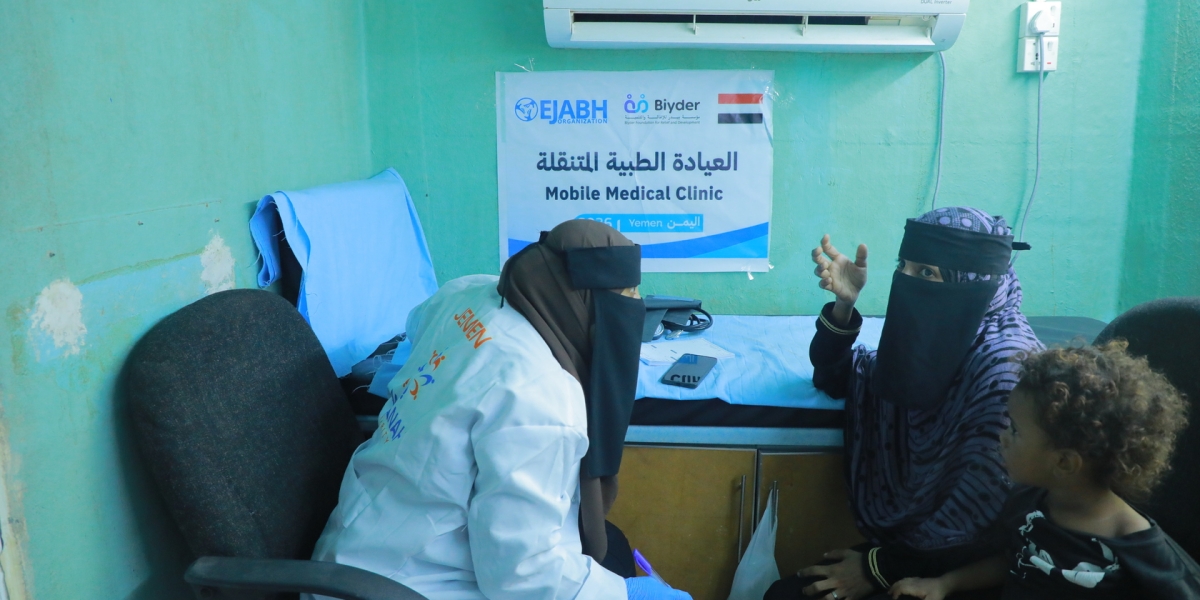
The mobile clinic is staffed by an experienced medical team covering the most common health needs of local communities, offering:
-
Pediatric & Maternal Care: Screening for malnutrition, monitoring child development, and dispensing dietary supplements and vitamins.
-
General & Internal Medicine: Diagnosing and managing chronic conditions (such as hypertension and diabetes) and respiratory infections.
-
Rapid Diagnostic Tests: Performing immediate point-of-care laboratory checks, including blood glucose levels, hemoglobin testing, and screening for dengue fever and malaria.
3. Free On-Board Pharmacy and Health Education
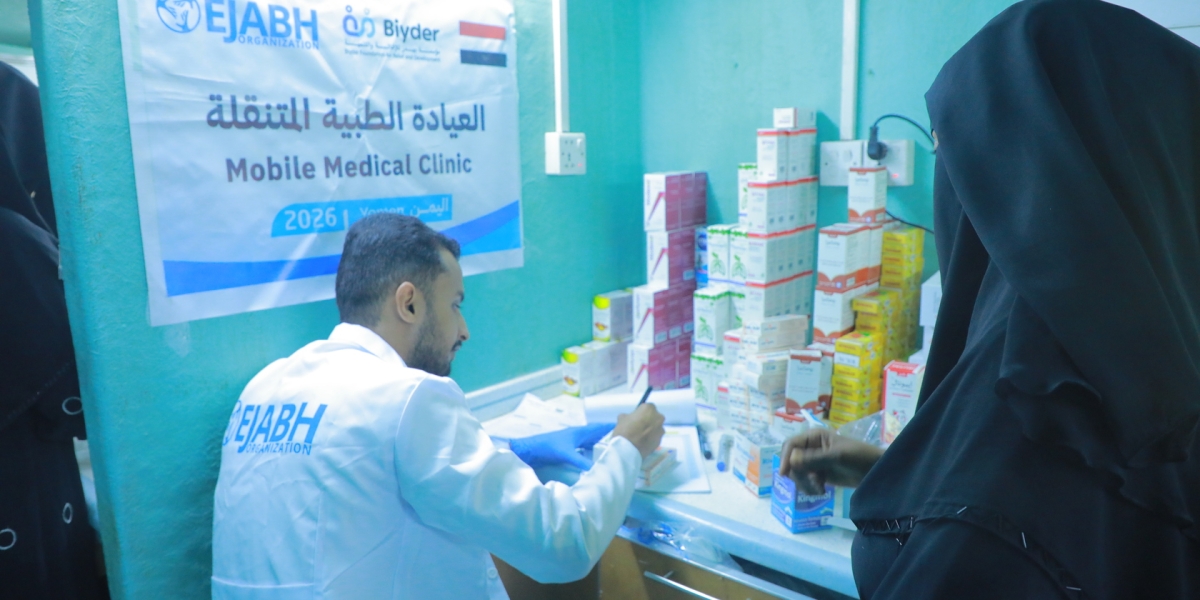
The mobile clinic is accompanied by a fully stocked pharmacy supervised by a qualified pharmacist. All necessary treatments, antibiotics, and chronic disease medications are dispensed completely free of charge following clinical evaluations.
In addition to pharmaceutical care, field teams from Ejabh Organization and Biyder Association conduct daily health awareness sessions. These cover personal hygiene, protection against contaminated water sources, and preventive measures against seasonal epidemics to safeguard women and children.
4. Operational Transparency and Sustainable Humanitarian Impact
To uphold strict standards of humanitarian accountability, Ejabh Organization and Biyder Association maintain meticulous field logs tracking patient consultations and dispensed medications. Route planning undergoes continuous assessment to effectively prioritize areas with the highest medical vulnerability.
Operating a mobile medical clinic serves as a vital lifeline, saving lives and relieving suffering for children far removed from conventional care. With your ongoing support, we continue deploying these medical convoys to ensure Ejabh remains present wherever help is needed.
❓ Frequently Asked Questions (FAQ)
Q: What is the main advantage of a mobile medical clinic compared to stationary hospitals?
A: The primary advantage is direct access to geographically isolated villages and IDP camps, eliminating travel costs and transportation hardships for impoverished families, the elderly, and children who cannot reach urban medical centers.
Q: How are the target villages selected for the mobile clinic in Yemen?
A: Selection is guided by field surveys conducted by Biyder Association, identifying areas completely lacking operational health centers and exhibiting high levels of medical necessity.
Q: Do patients pay any fees for consultations or medications?
A: No, Ejabh Organization, in partnership with Biyder Association, provides all consultations, rapid diagnostic tests, and pharmaceuticals entirely free of charge.