
Rodents and pests pose an escalating health risk that threatens the lives of thousands of families living across displacement camps and shelters in the Gaza Strip. Amid severe waste accumulation, damaged sewage networks, and extreme overcrowding in displacement centers, ideal breeding grounds for pests emerge. This leads to the rapid spread of infectious diseases, skin conditions, and respiratory ailments, particularly among infants, children, and the elderly.
In direct response to this immediate environmental and health hazard, Ejabh Organization launched the Rodent Control and Environmental Sanitation Campaign in Gaza for 2026. The project focuses on large-scale spraying, disinfection operations, and placing safe pest control bait stations across IDP camps and shelters to curb health hazards.
📊 Project Snapshot & Field Relief Breakdown
1. Field Disinfection and Securing Health Standards in Camps
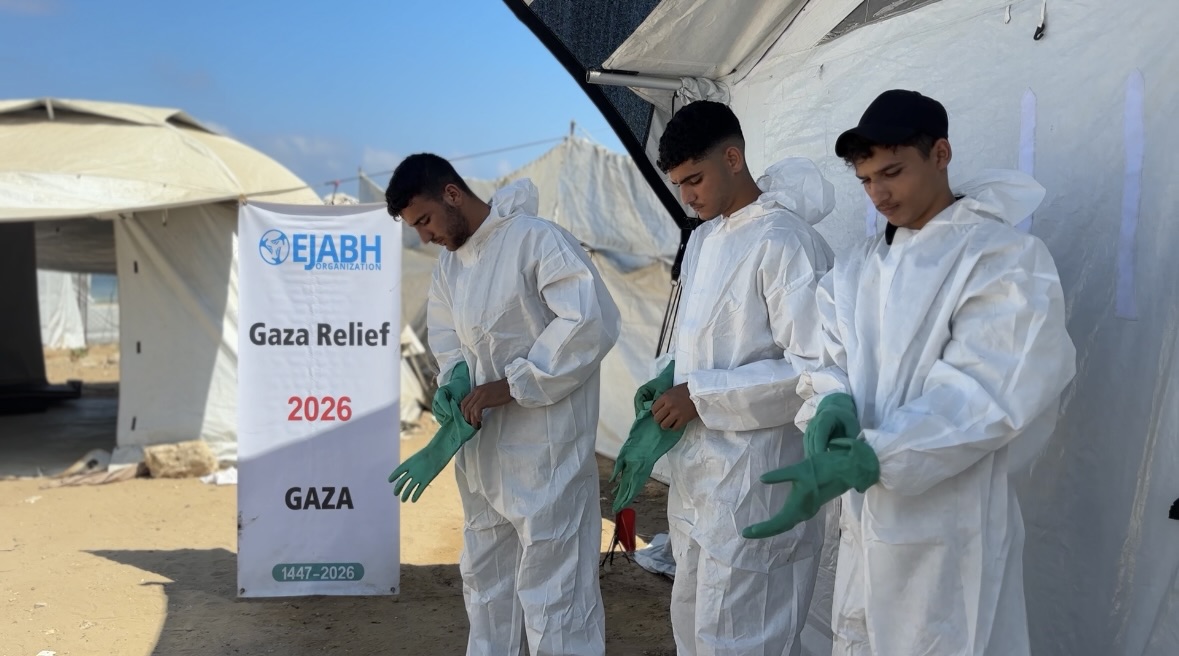
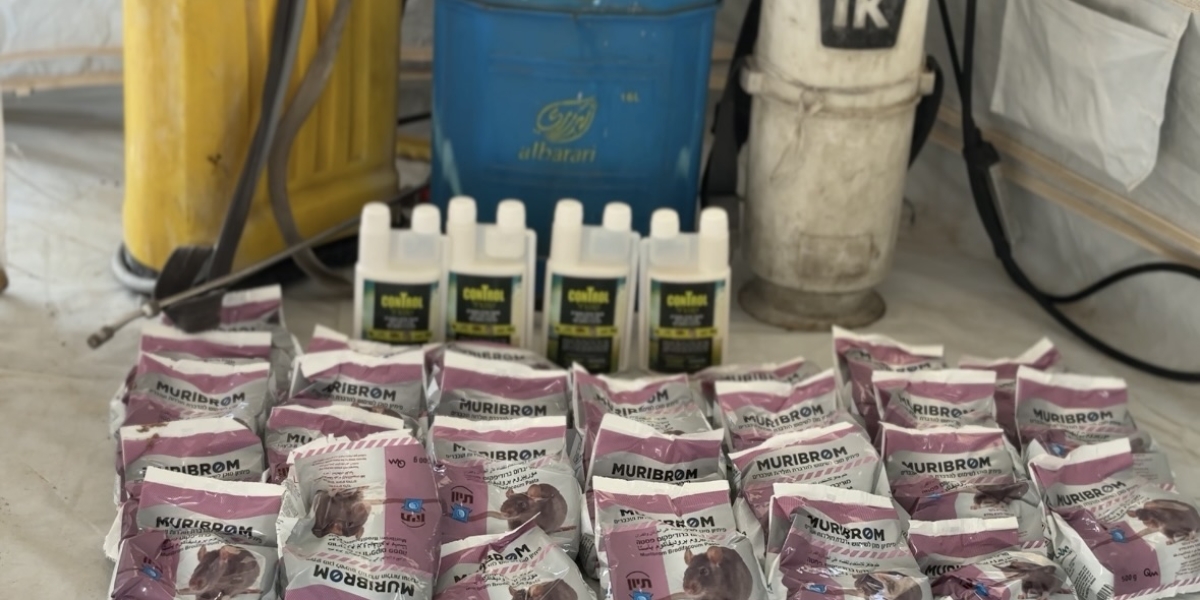
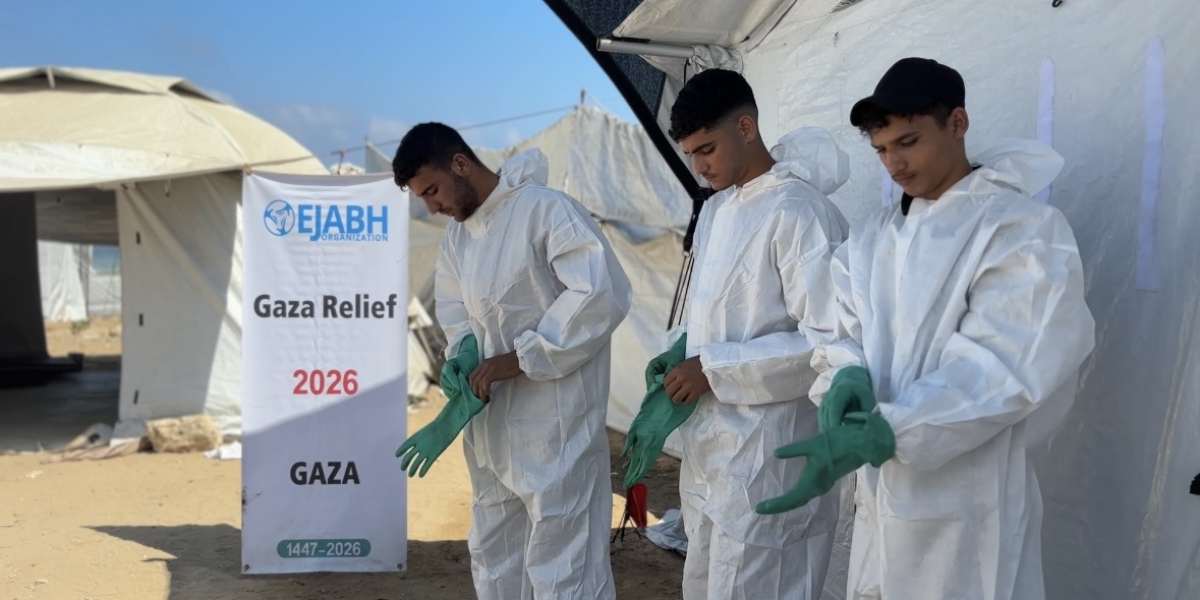
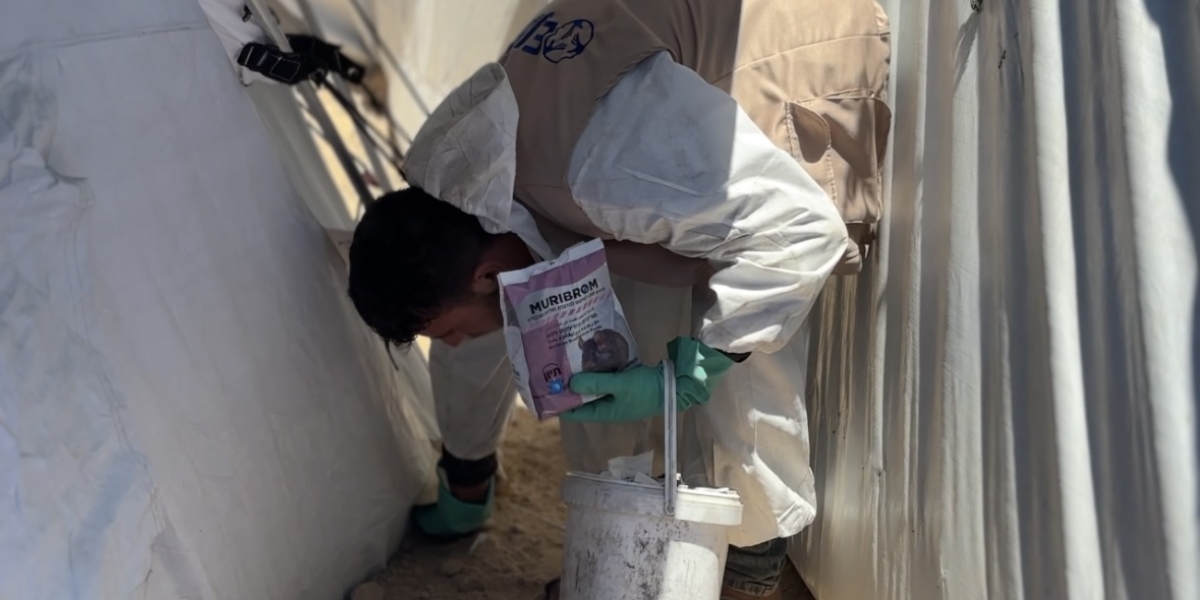
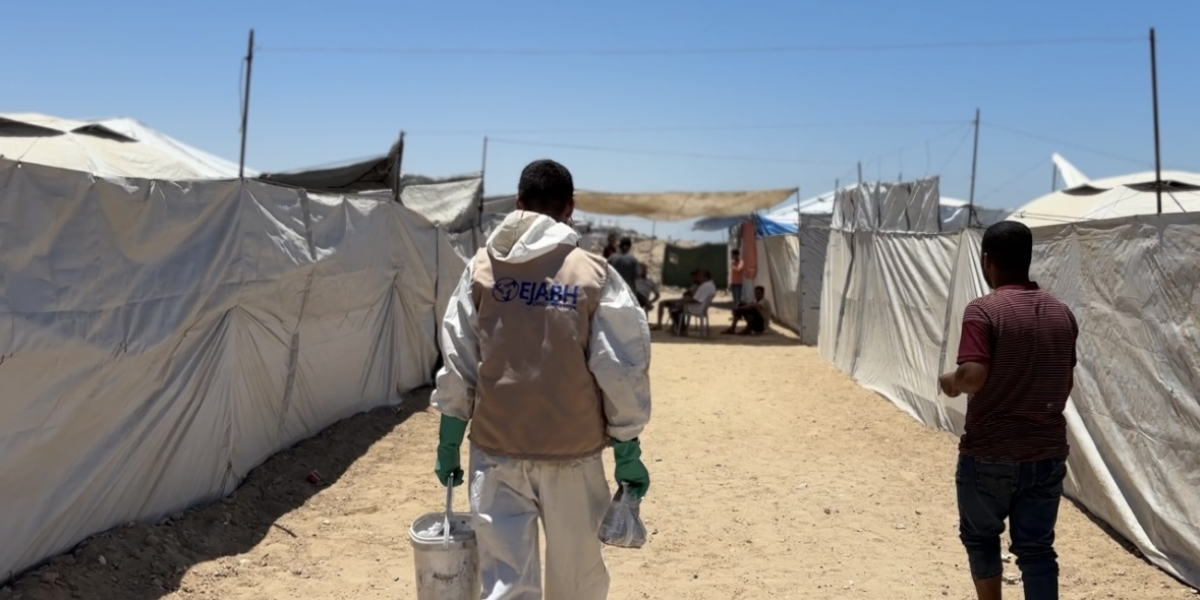
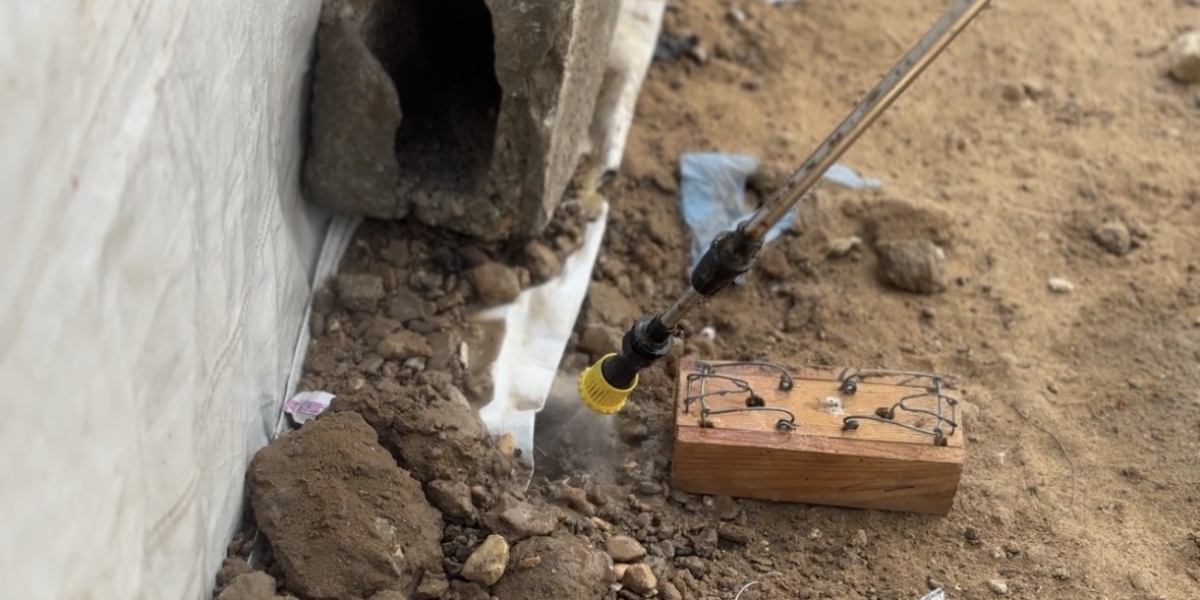
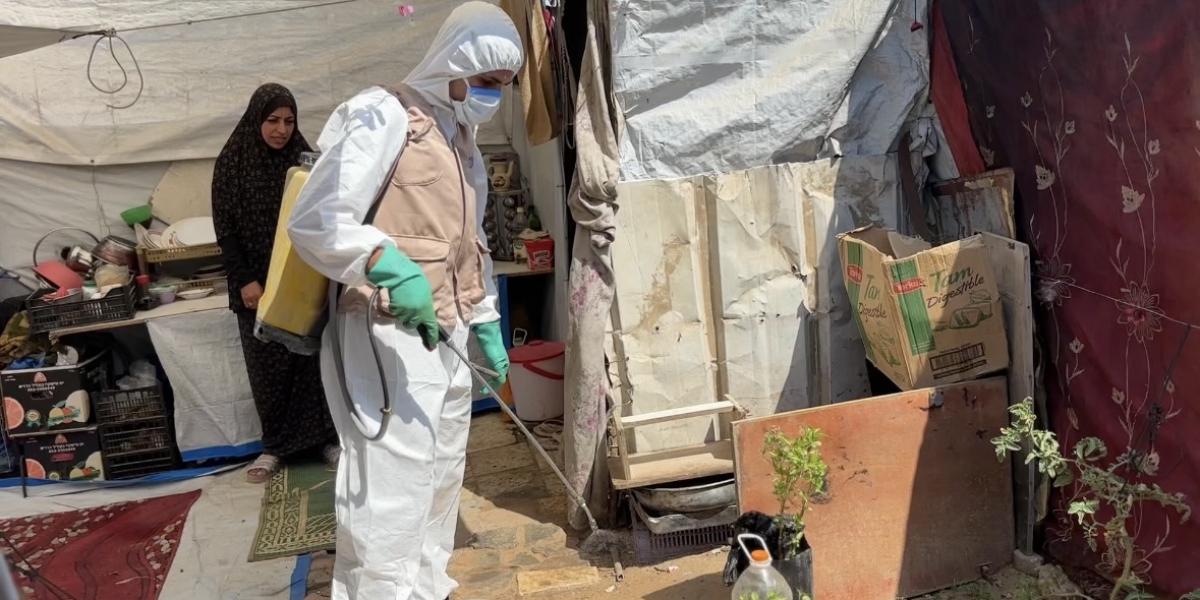
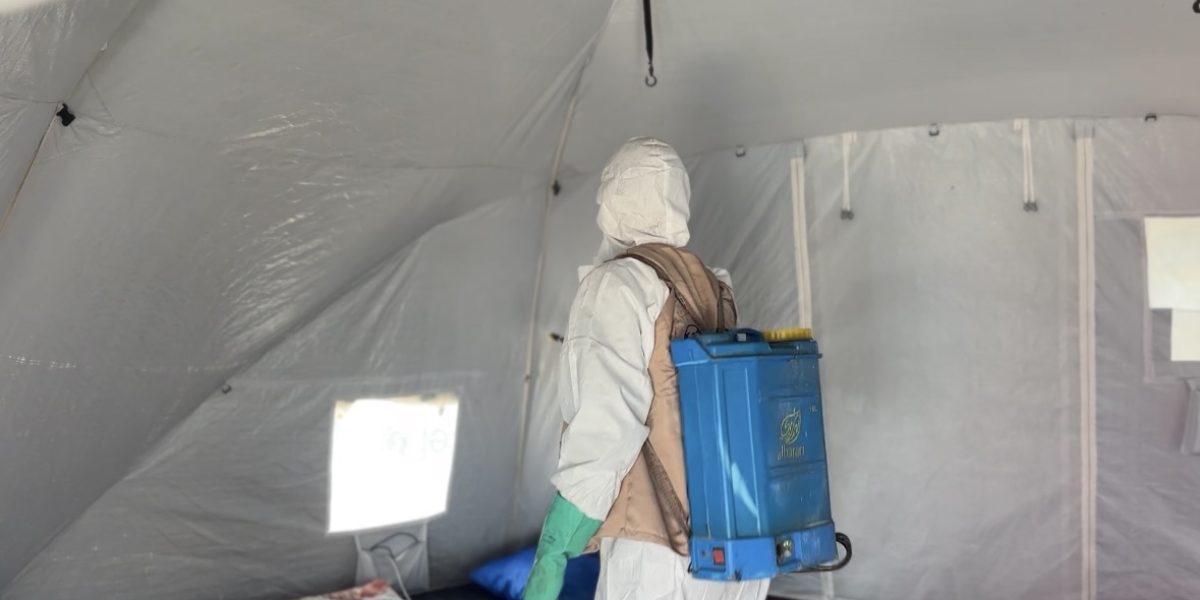
The pest control strategy of Ejabh Organization relies on mapping rodent breeding hotspots surrounding shelters and IDP tent communities. Specialized field teams utilize health-approved, eco-friendly spraying materials and mechanisms that eradicate rodents and insects effectively without causing respiratory harm to residents.
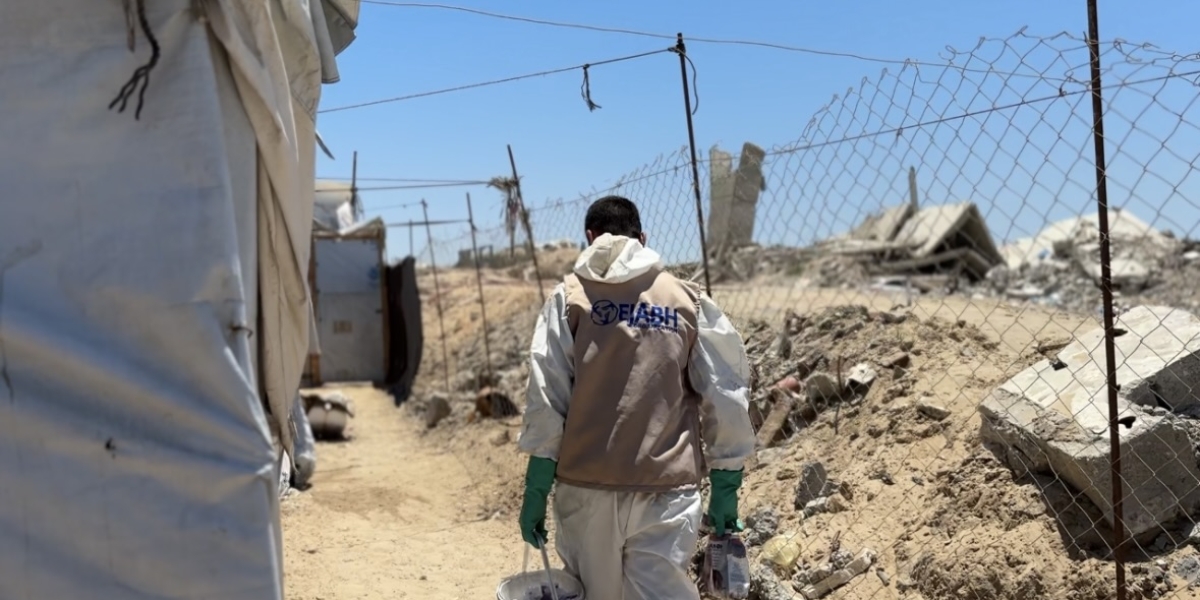
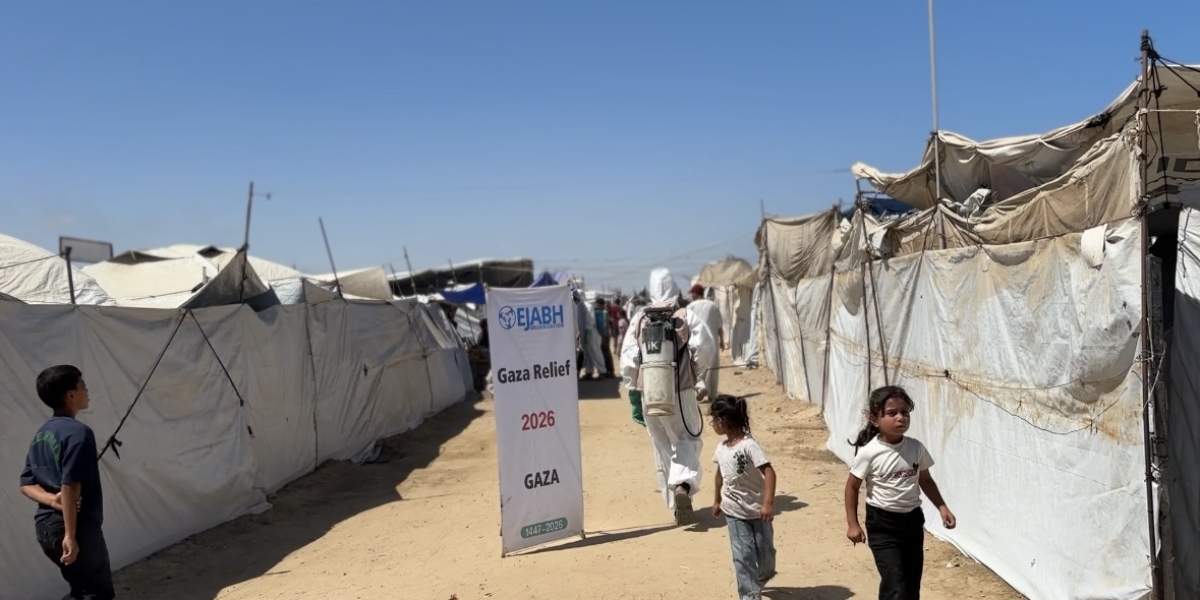
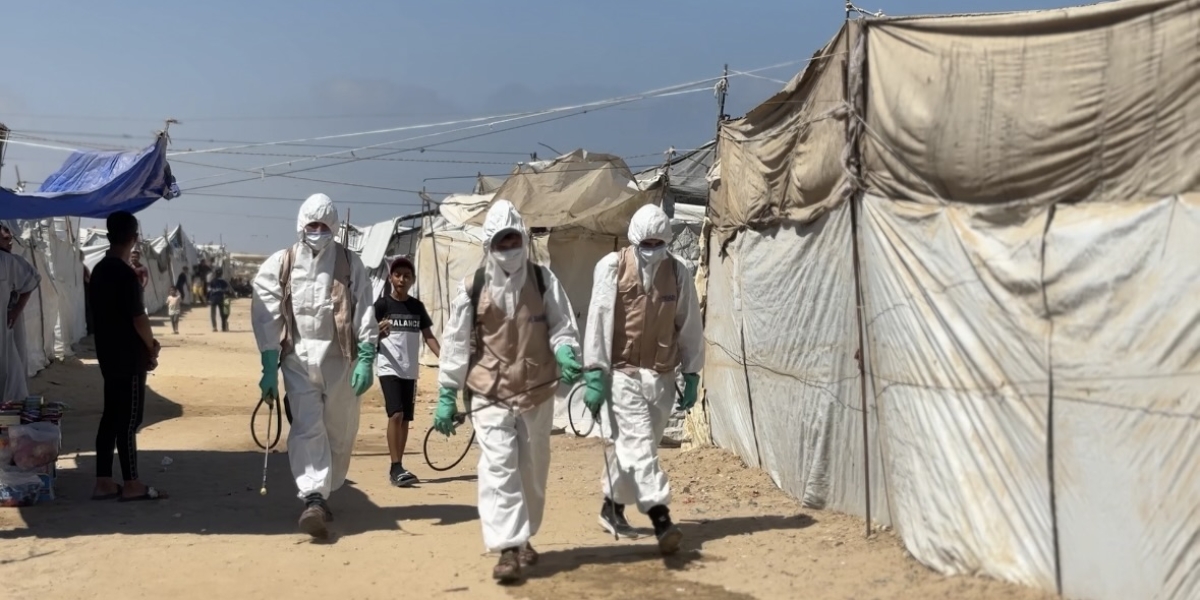
Field operations include treating surface drainage channels, waste collection points, and open spaces between tents, effectively preventing rodents from invading fabric shelters and living quarters.
2. Execution Mechanisms and Environmental Response Steps
Field teams at Ejabh Organization execute a comprehensive response plan encompassing the following key activities:
-
Direct Spraying Squads: Deploying teams equipped with portable spraying gear to treat rodent and pest breeding sites between IDP tents.
-
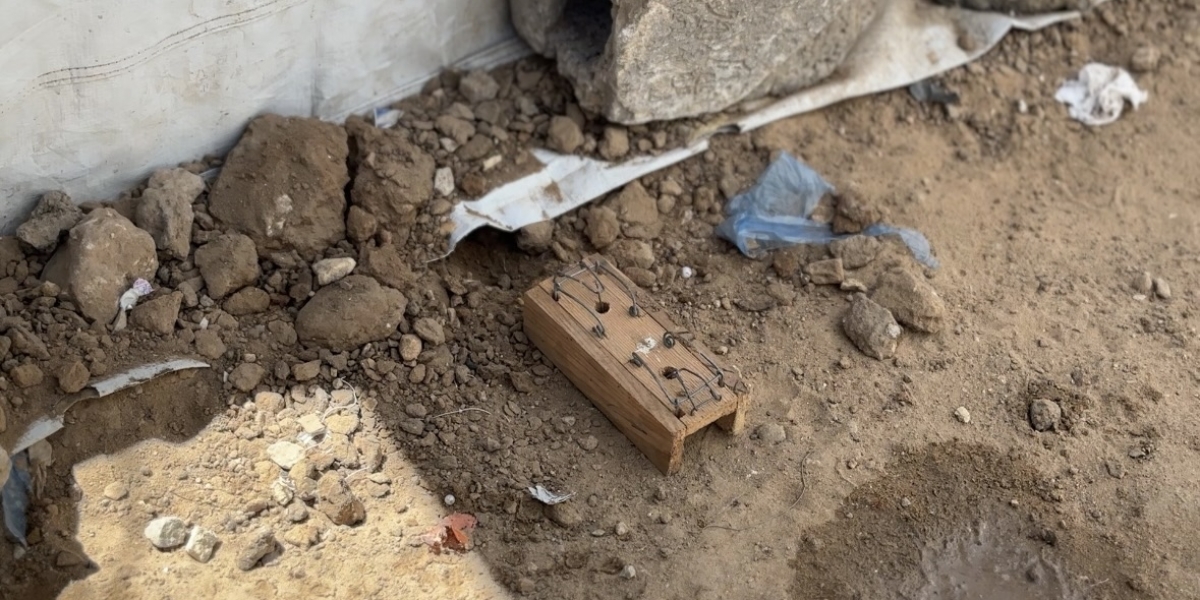
Safe Control Stations: Installing tamper-resistant bait stations and traps in secured boxes away from children’s reach.
-
Awareness and Integrated Sanitation: Distributing informational leaflets advising heads of households on safe food storage and proper trash packaging to avoid attracting pests.
3. Health and Psychosocial Impact on Displaced Families
The impact of the pest control campaign extends beyond environmental protection to restore daily peace of mind for displaced families. Suppressing pest populations directly reduces the incidence of amoebiasis, typhoid, and insect-borne skin infections, significantly easing pressure on Gaza’s fragile medical posts and hospitals.
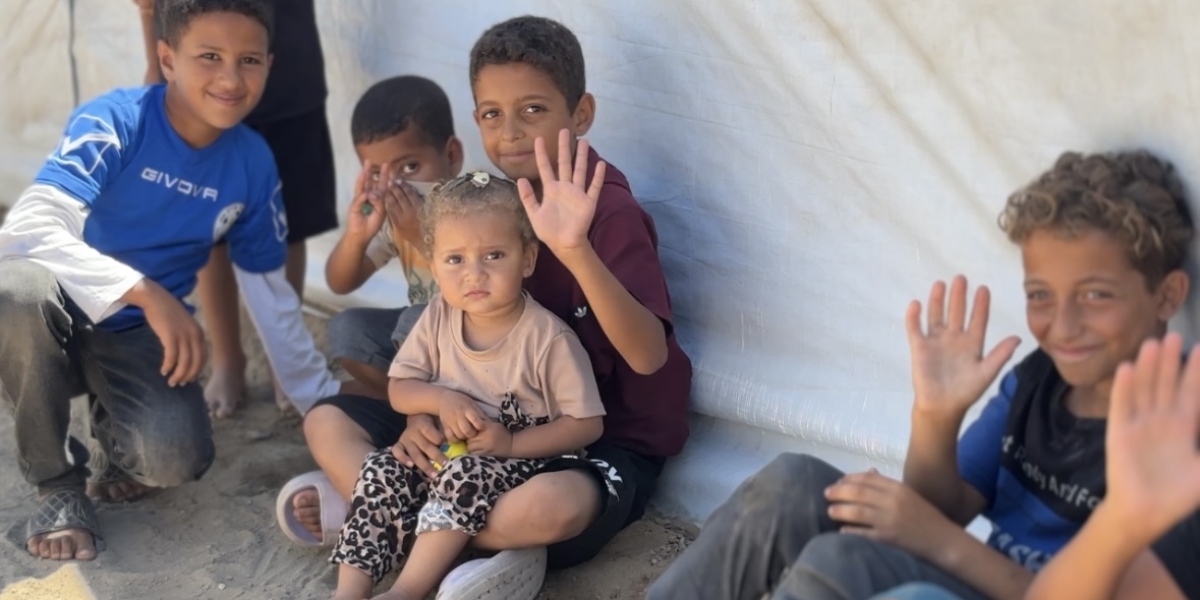
Additionally, the project secures safe sleeping conditions for children inside tents, eliminating constant anxiety among mothers regarding pest bites or food supply contamination during the night.
4. Operational Transparency and Execution Safety
Ejabh Organization adheres to strict environmental safety and field transparency standards. All materials used in rodent control undergo rigorous health checks to guarantee they cause no harm to drinking water or distributed food supplies. Every stage of field operations is documented to maintain high standards of efficiency.
Supporting rodent control and sanitation campaigns in Gaza serves as a critical health barrier, shielding children’s bodies and preventing impending disease outbreaks in camps. Through your continuous support, we work to secure safe, dignified living conditions for displaced families.
❓ Frequently Asked Questions (FAQ)
Q: Are the materials used for rodent control safe for children inside the tents?
A: Yes, Ejabh Organization strictly uses environmentally certified pesticides and places tamper-proof pest control stations in enclosed, secure spots out of children’s reach.
Q: Which areas are prioritized in the Gaza rodent control campaign?
A: The campaign primarily targets overcrowded IDP camps, communal shelter centers, and areas near accumulated waste or open sewage channels.
Q: Does the project include awareness campaigns for displaced families?
A: Yes, field spraying operations are paired with community awareness sessions providing practical guidance on safe food storage and proper household waste disposal.