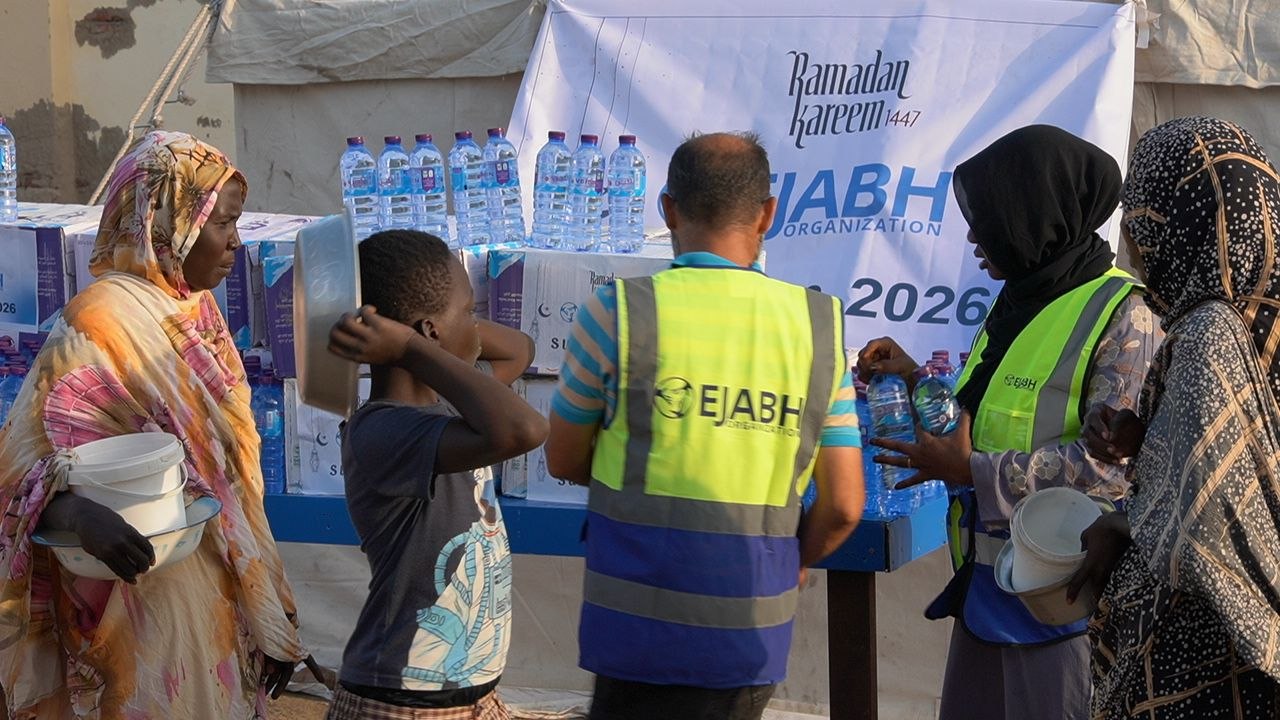
Humanitarian challenges double in Sudan as scorching temperatures rise and access to functional clean water networks deteriorates across villages and displacement camps. With the arrival of the holy month of Ramadan, vulnerable families and internally displaced persons (IDPs) face an urgent need for safe, purified drinking water to complete their fast and protect the health of children and the elderly under harsh living conditions.
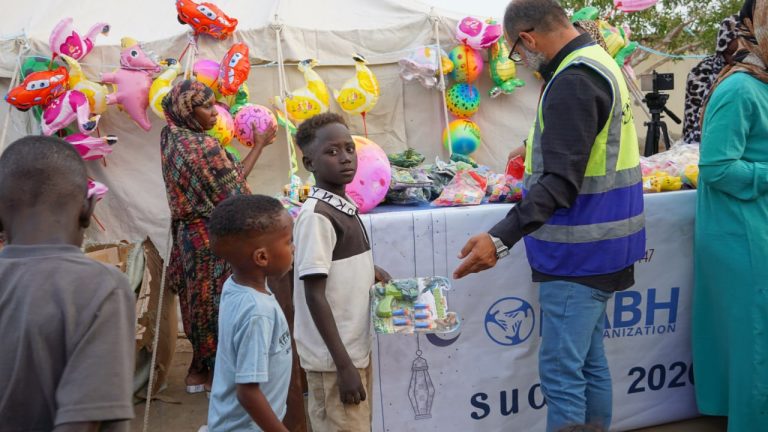
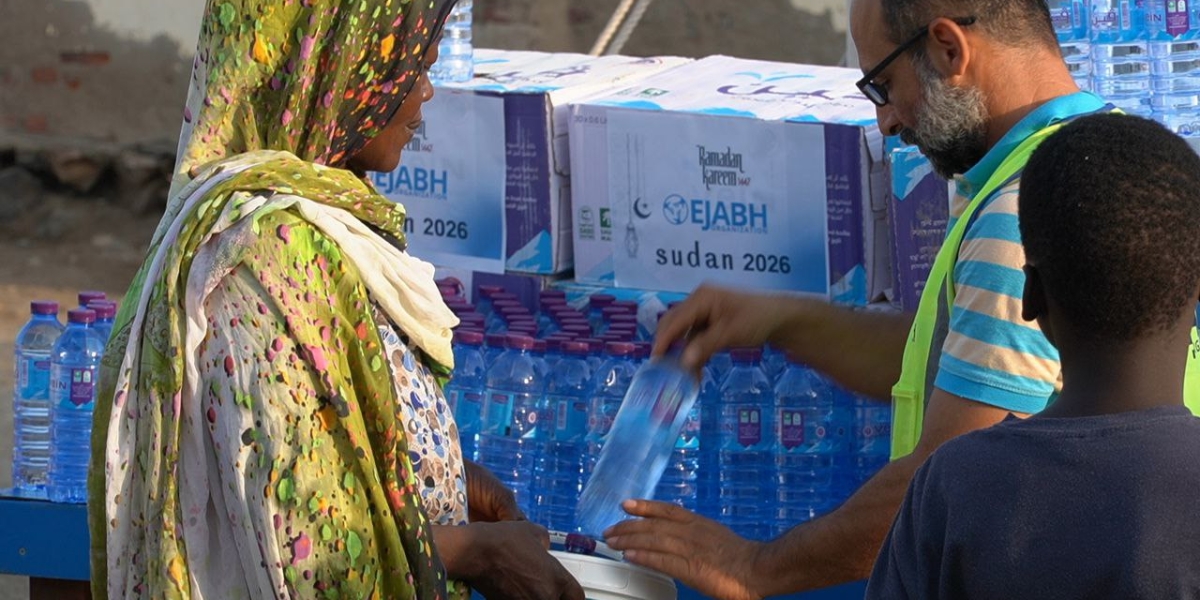
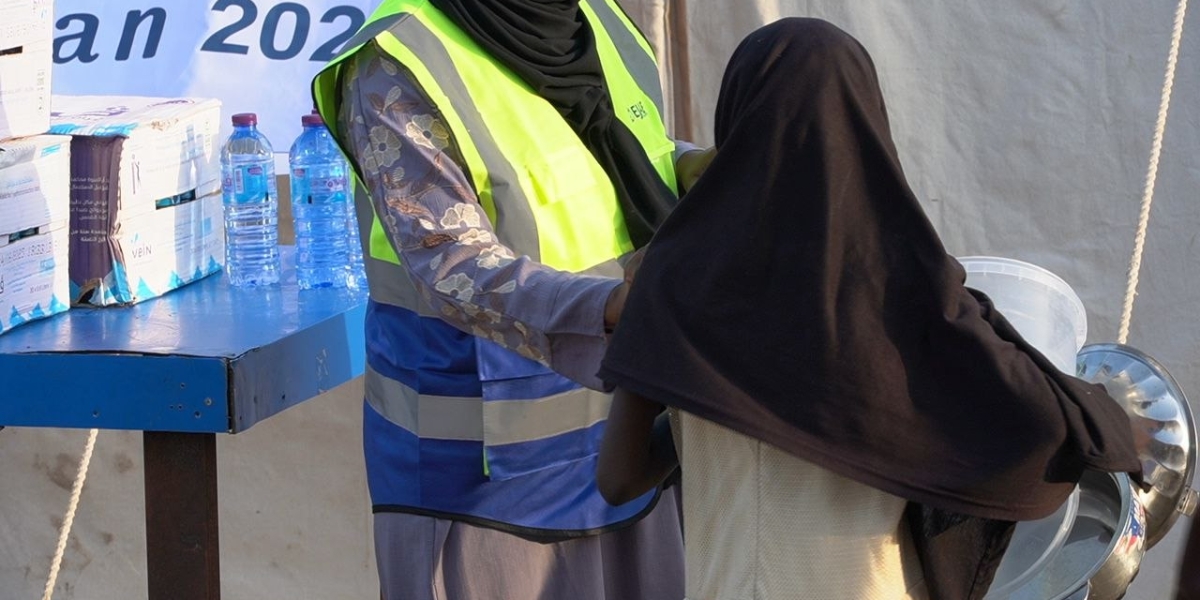
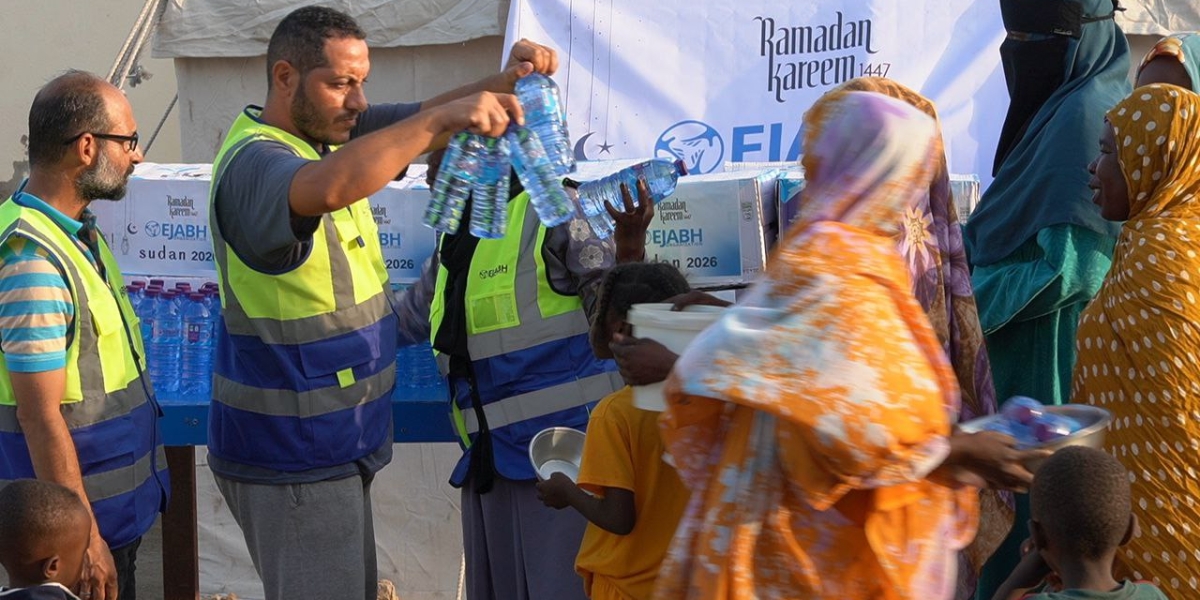
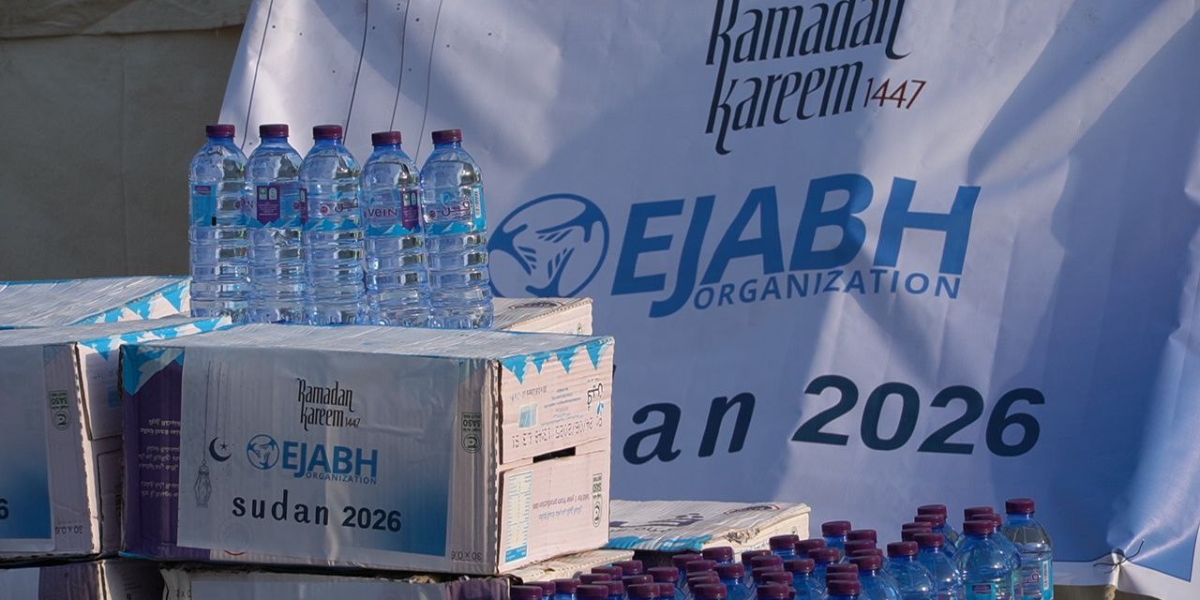
Grounded in the profound reward of providing water as charity and responding directly to field necessities, Ejabh Organization launched the Ramadan Clean Water Project in Sudan. The initiative focused on procuring and distributing thousands of purified bottled water units and cooling containers to families in need, IDP gatherings, and mosques during Iftar and Taraweeh hours.
📊 Project Snapshot & Field Relief Breakdown
1. A Lifeline in Ramadan: Urgent Response to the Water Crisis
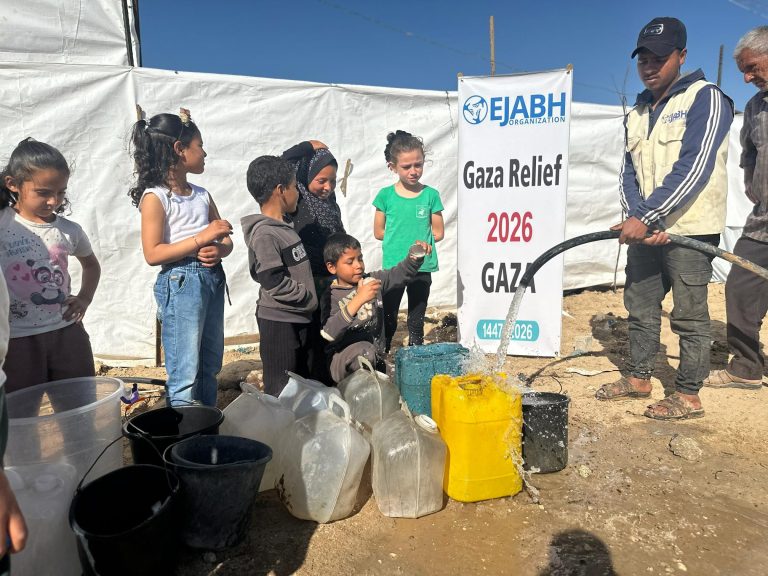
Obtaining safe drinking water remains one of the most critical hurdles for displaced populations in Sudan. Many families are forced to trek long distances to source unsterilized water, exposing children and women to severe health hazards.
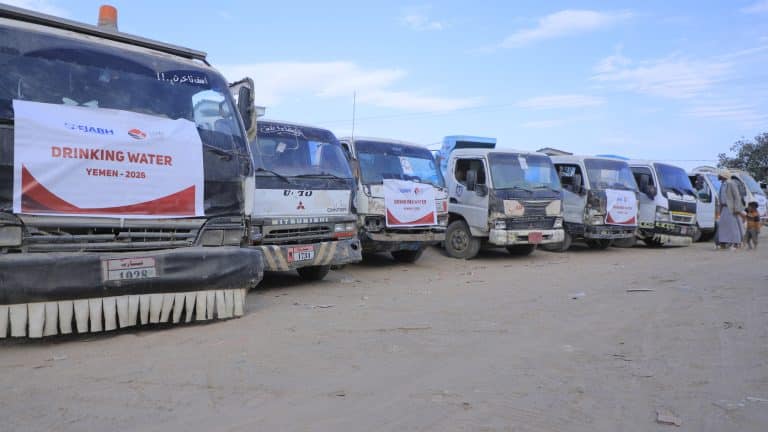
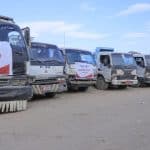
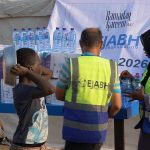
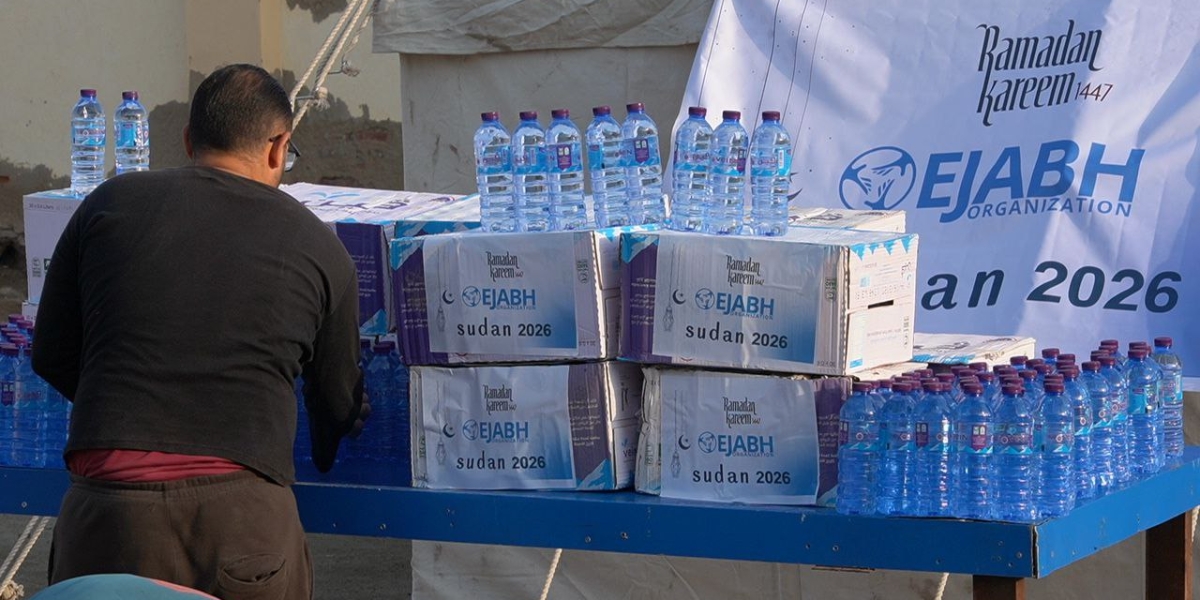
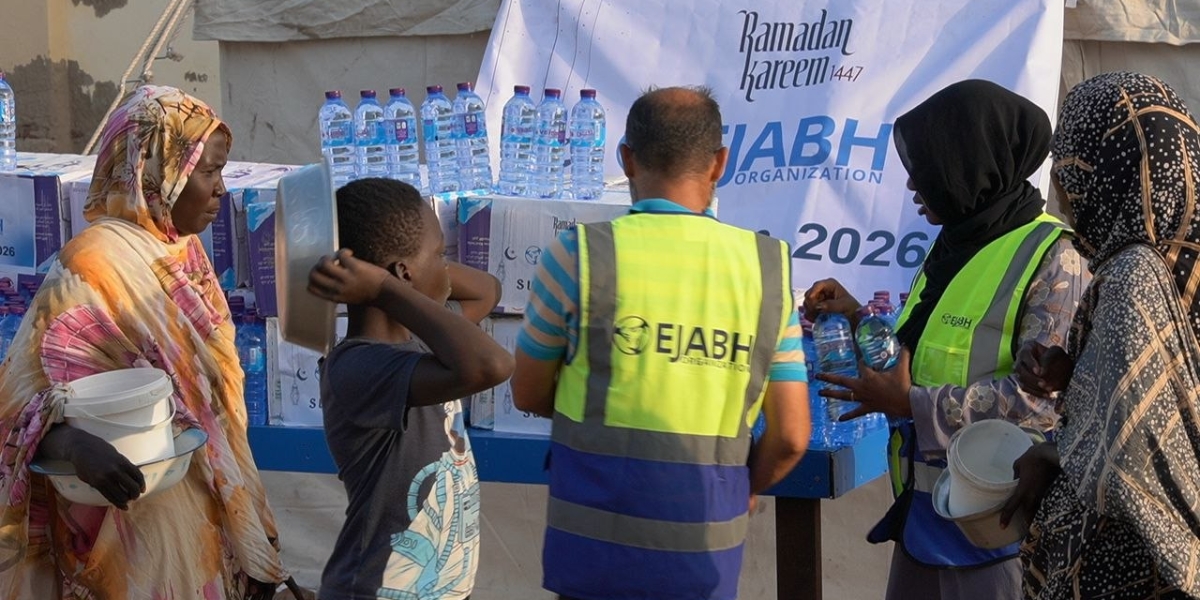
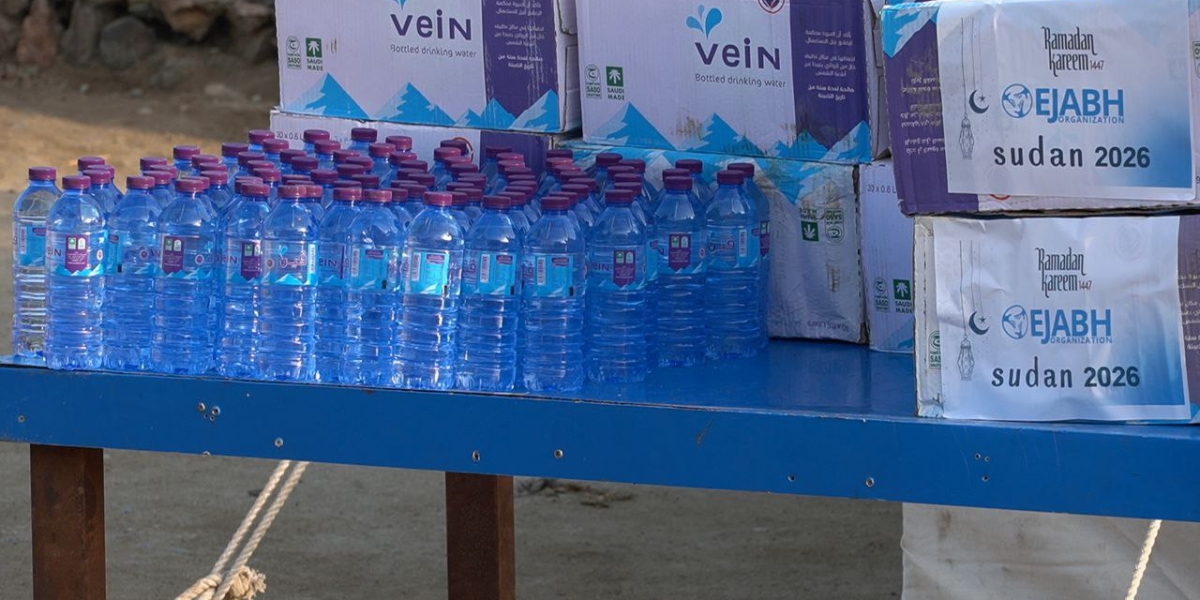
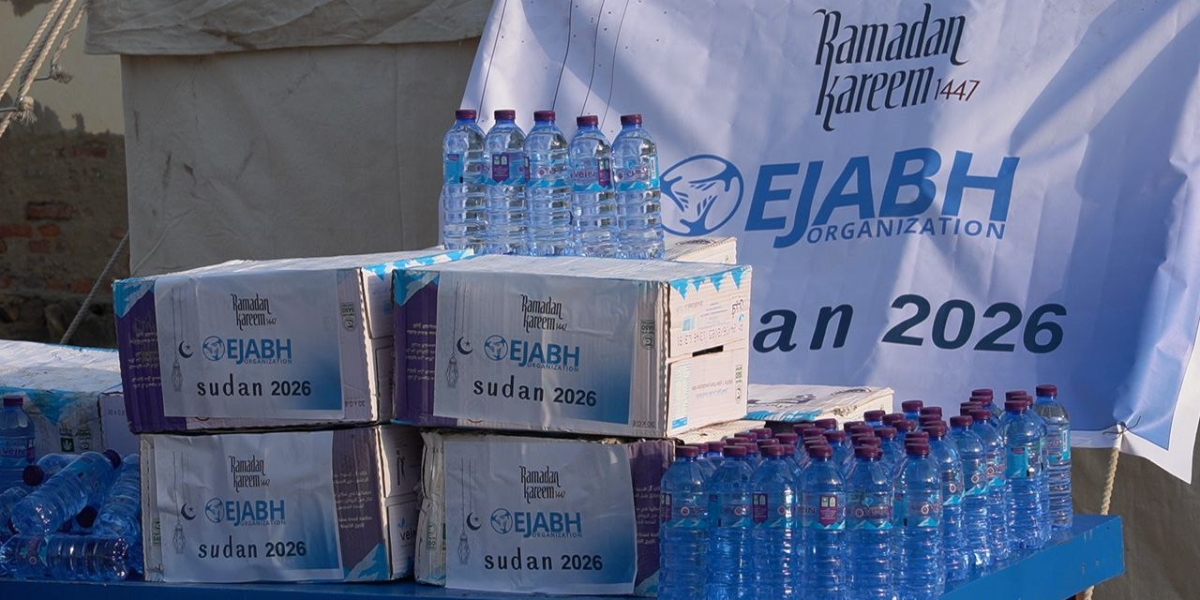
The Clean Water Project by Ejabh Organization was deployed to bridge this critical gap during Ramadan. Field distribution teams prioritized procuring cooled, purified bottled water tested against rigorous health safety standards, delivering it directly to families in gathering points, refugee shelters, and IDP camps.
2. Strategic Pillars of On-Ground Water Distribution
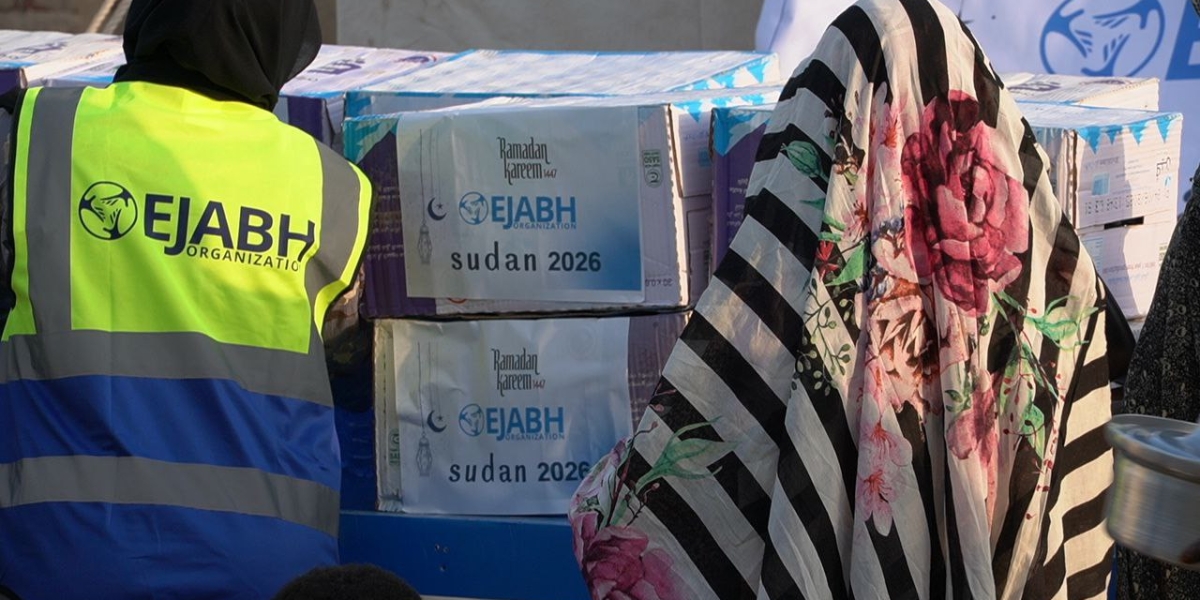
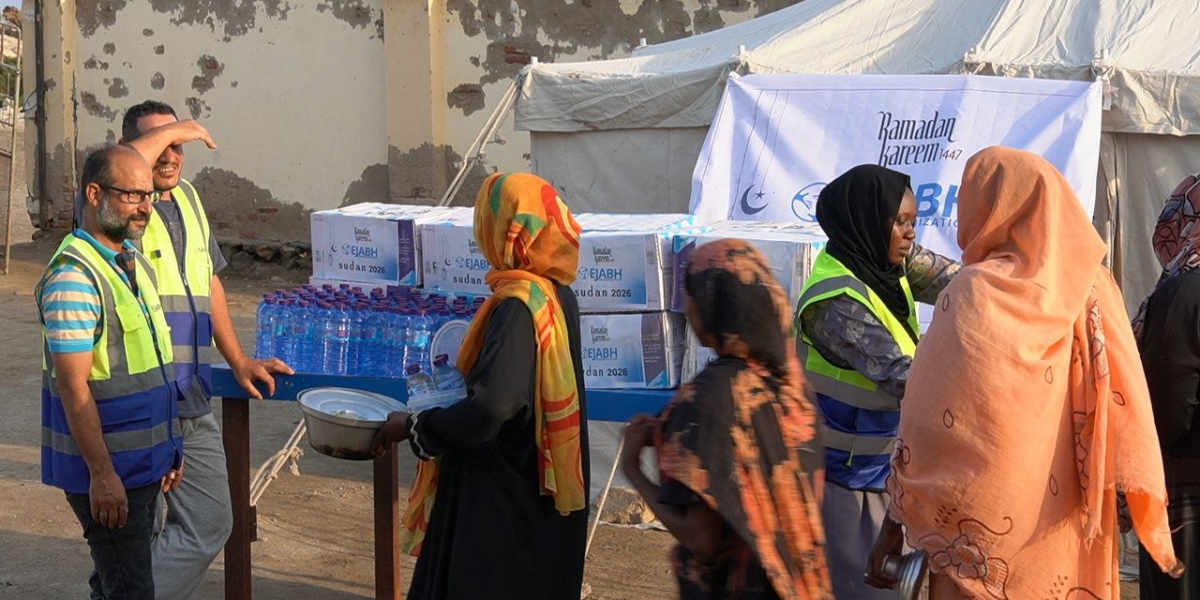
Distribution routes were strategically planned to ensure water reached beneficiaries efficiently during peak Ramadan hours, encompassing the following channels:
-
Iftar Provisioning for Displaced Fasting Families: Distributing purified bottled water to IDP tents prior to the Maghrib call to prayer to secure a safe, healthy break of fast.
-
Serving Worshippers in Mosques: Supplying large water dispensers and bottled units to major mosques and communal centers during Taraweeh and Qiyam night prayers.
-
Mobile Transit Points: Establishing rapid-distribution hubs along transit routes for passing families whose circumstances prevent access to clean water sources.
3. Health and Humanitarian Impact of Giving Water
The impact of providing purified water extends beyond immediate relief, forming a crucial health barrier against dehydration and gastrointestinal illnesses caused by contaminated surface water among children and elderly individuals.
Furthermore, the project embodies social solidarity and the virtue of providing water—considered one of the highest forms of ongoing charity. These simple water bottles significantly alleviated financial and psychological pressures on Sudanese families navigating extraordinary hardships.
4. Operational Transparency and Accountability to Donors
Ejabh Organization adheres to strict transparency standards in documenting its water distribution and Ramadan relief projects. Procurement, cooling, and field logistics are subjected to rigorous administrative oversight, guaranteeing that every drop of water reaches those most in need while preserving the dignity and privacy of all beneficiaries.
A single bottle of clean water amid intense heat and fasting hours represents life and renewed hope for an entire family. Through your continued support, we sustain these clean water campaigns so that Ejabh remains an extended hand of relief and generosity.
Frequently Asked Questions (FAQ)❓
Q: Why is clean water distribution a priority in Sudan during Ramadan?
A: Declining municipal water infrastructure combined with high seasonal temperatures puts families and IDPs at severe risk of dehydration and waterborne diseases, making purified water an urgent medical and relief necessity during fasting.
Q: How is the quality and purity of the distributed water verified?
A: Ejabh Organization relies on certified bottled water suppliers adhering to official quality safety tests, maintaining hygienic cooling and storage standards prior to field transportation.
Q: Does the water distribution project reach remote villages and IDP camps?
A: Yes, the organization’s field teams are specifically directed to IDP shelters, informal camps, and rural villages that lack access to functional clean water sources.